

Home care
Stroke care support for life after hospital
Practical home support after stroke — helping with daily living while NHS rehabilitation and recovery plans continue.
Understanding the service
Home care and stroke recovery work side by side
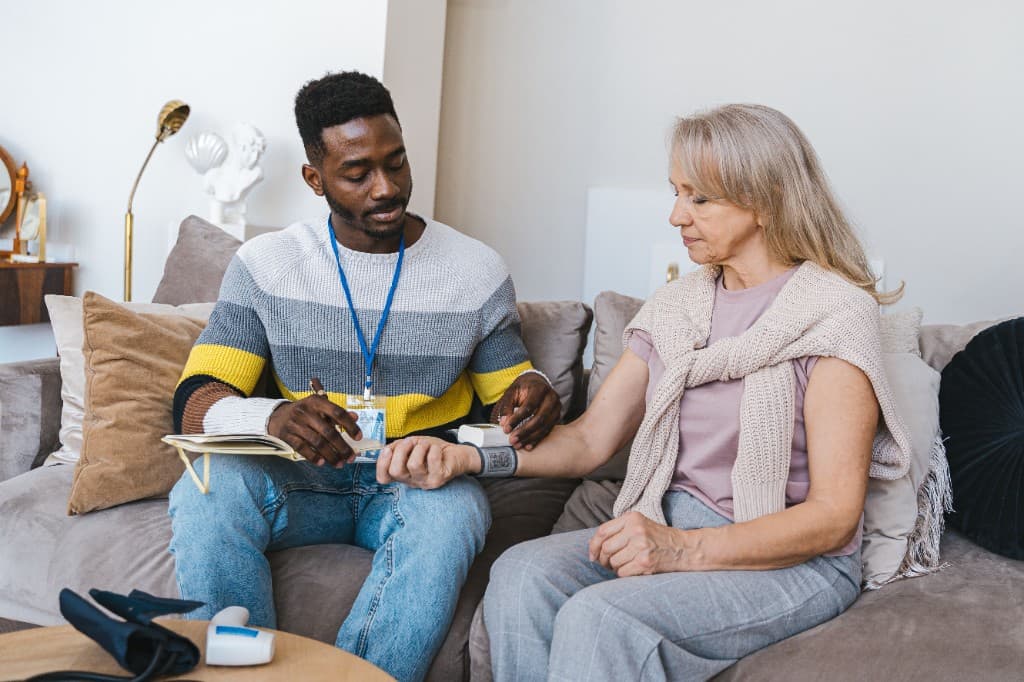
Stroke recovery can affect movement, speech, swallow, mood, fatigue, and confidence. NHS teams often lead rehabilitation. Home care helps with the practical layer — personal care, meals, safe routines — so therapy goals have a stable home to land in.
We do not replace physiotherapy, speech and language therapy, or medical follow-up. We support the everyday living that surrounds those clinical services.
Who it may help
When families look for stroke support at home
Common situations include:
- Discharge is approaching and personal care will be difficult alone
- One-sided weakness makes dressing, bathing, or kitchen tasks slow and tiring
- Fatigue means mornings need more structure
- Family want consistent help while outpatient rehab continues
What support can involve
What support can involve
Practical post-stroke home support may include:
Always follow clinical swallow and mobility guidance. If new symptoms appear, seek urgent medical advice.
- 01Personal care paced around fatigue and mobility
- 02Mealtime support, including following any swallow guidance from clinicians
- 03Help with transfers and moving around the home within agreed advice
- 04Prompting exercises or routines recommended by therapy teams
- 05Companionship and encouragement during a long recovery
Arranging support
How to arrange support
Getting started should feel straightforward. Share what is happening at home, and we will help you understand whether this kind of support is a sensible next step.
Tell us what home life looks like
A short message is enough — the routines that feel hard, what you are worried about, and what a calmer day would look like. You can enquire for yourself, a relative, or as a professional.
Talk through what might help
We listen first, then discuss the kind of visiting support that may fit, preferred times of day, and anything that matters for dignity and familiarity.
Agree a clear next step
If we can help, we outline how support could begin and what information we still need. If another pathway looks more suitable, we will say so plainly.
For families
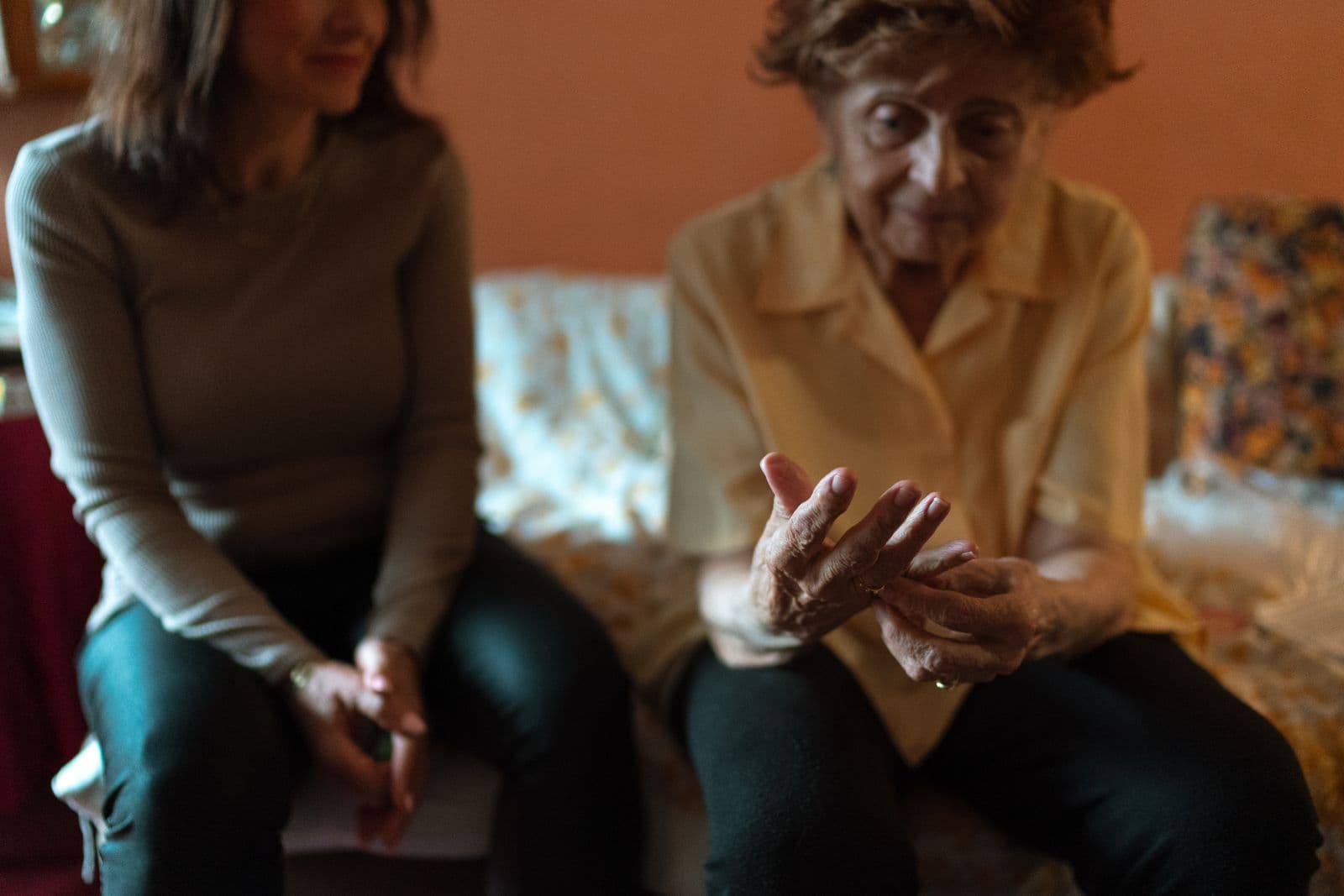
What families should know
- Ask for the written home recovery / therapy plan from the stroke team.
- Progress is often uneven — good weeks and harder weeks are both common.
- Carers supporting someone after stroke should look after their own rest; respite may be needed.
Questions
Frequently asked questions
Do you provide stroke physiotherapy?
No. Physiotherapy and other clinical rehab are NHS or specialist clinical services. We provide practical home care support around daily living.
Can support continue long term after stroke?
Yes, if ongoing help is needed. Some people step down from intensive early support to lighter domiciliary visits as confidence returns.
Talk to us
Let's talk about support after a stroke
Share discharge timing and which daily tasks feel hardest right now. We will map home support around your recovery plan — without making promises we cannot keep.