
Home care
Dementia care that protects dignity at home
Calm, practical support for people living with dementia — familiar routines, clear communication, and care that does not rush.
Understanding the service
Dementia support is about the whole day, not only tasks
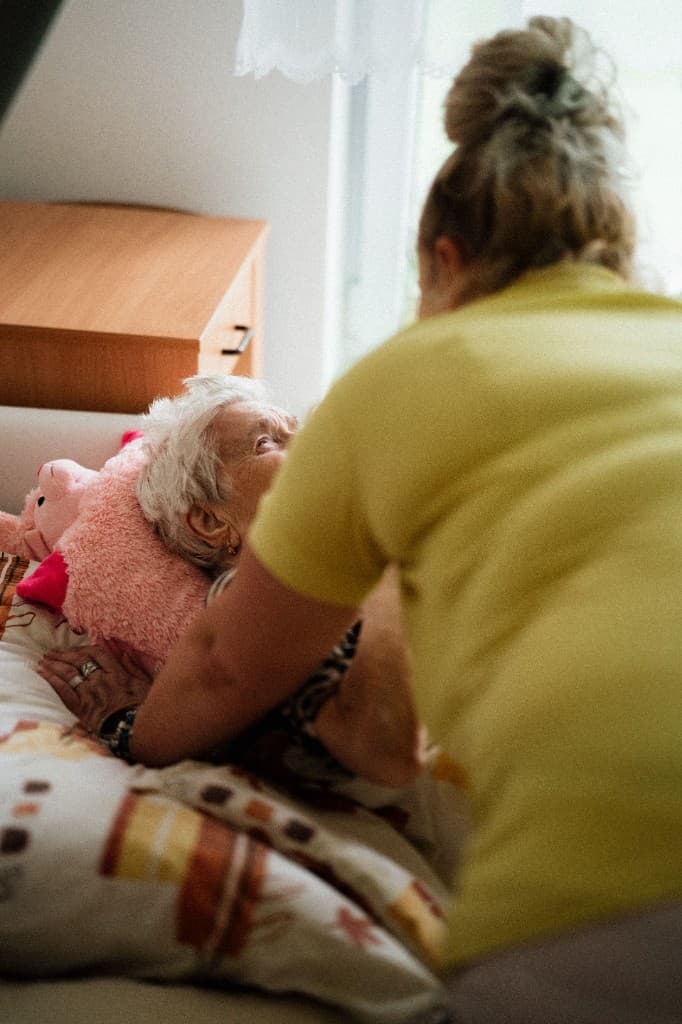
Many people living with mild to moderate dementia remain at home with the right support. Familiar rooms, faces, and routines often help someone cope better than a sudden move to a new environment.
Dementia-informed home care pays attention to communication, pacing, and emotional safety as much as washing and meals. It is not a medical treatment for dementia — it is skilled social care that makes everyday life workable.
Who it may help
Situations families describe
Families often seek dementia support when:
- Personal care has become confusing or distressing
- Someone is unsafe cooking or leaving the house alone
- Evenings bring restlessness or repeated questions
- A spouse is caring alone and running on empty
- Hospital discharge needs a dementia-aware return home
What support can involve
What dementia-informed support can involve
Practical help may include:
For specialist clinical advice about dementia, families can also use NHS services and charities such as Alzheimer’s Society or Dementia UK.
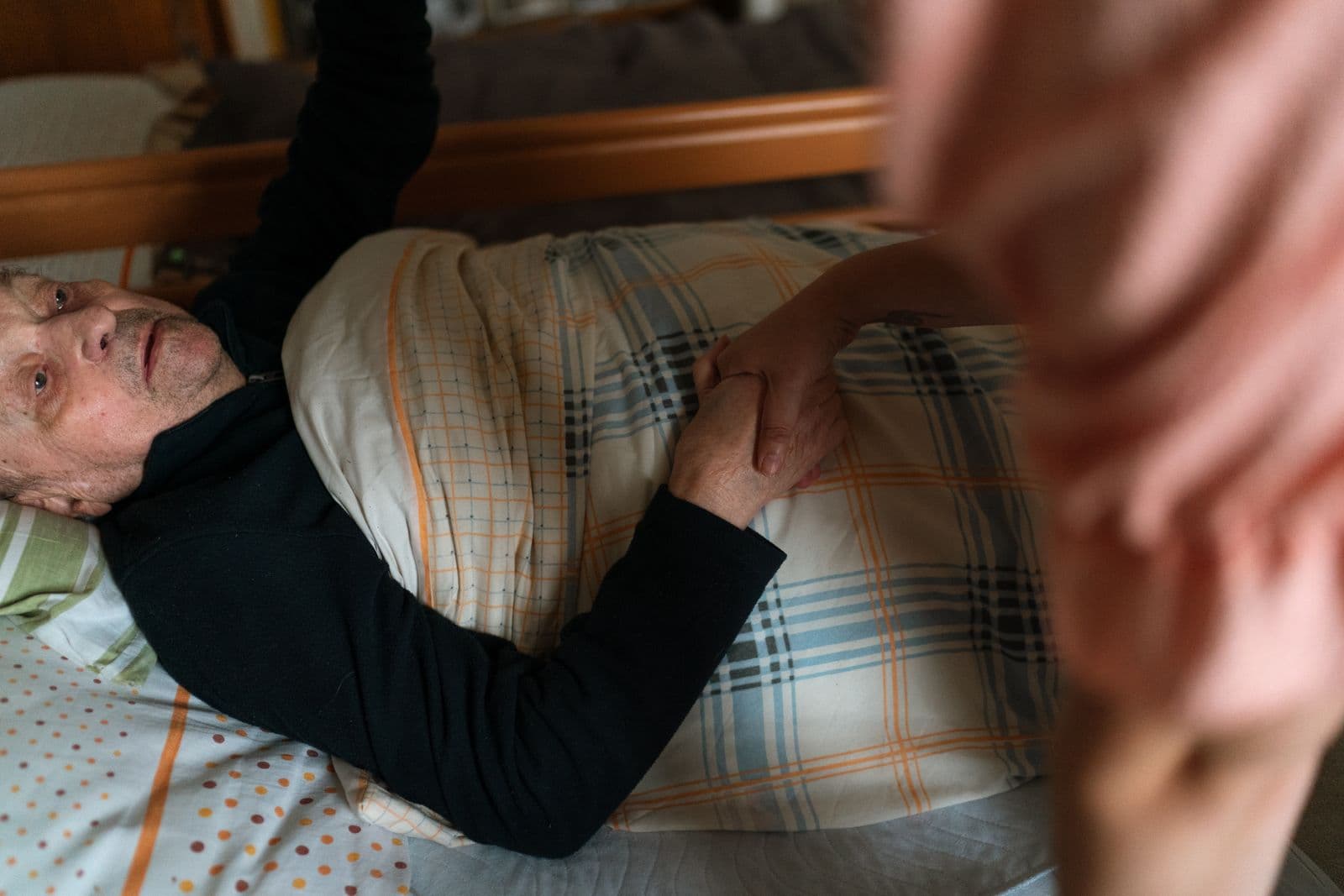
- Unhurried personal care with clear, calm communication
- Mealtime support and hydration prompts
- Keeping meaningful routines and reducing unnecessary change
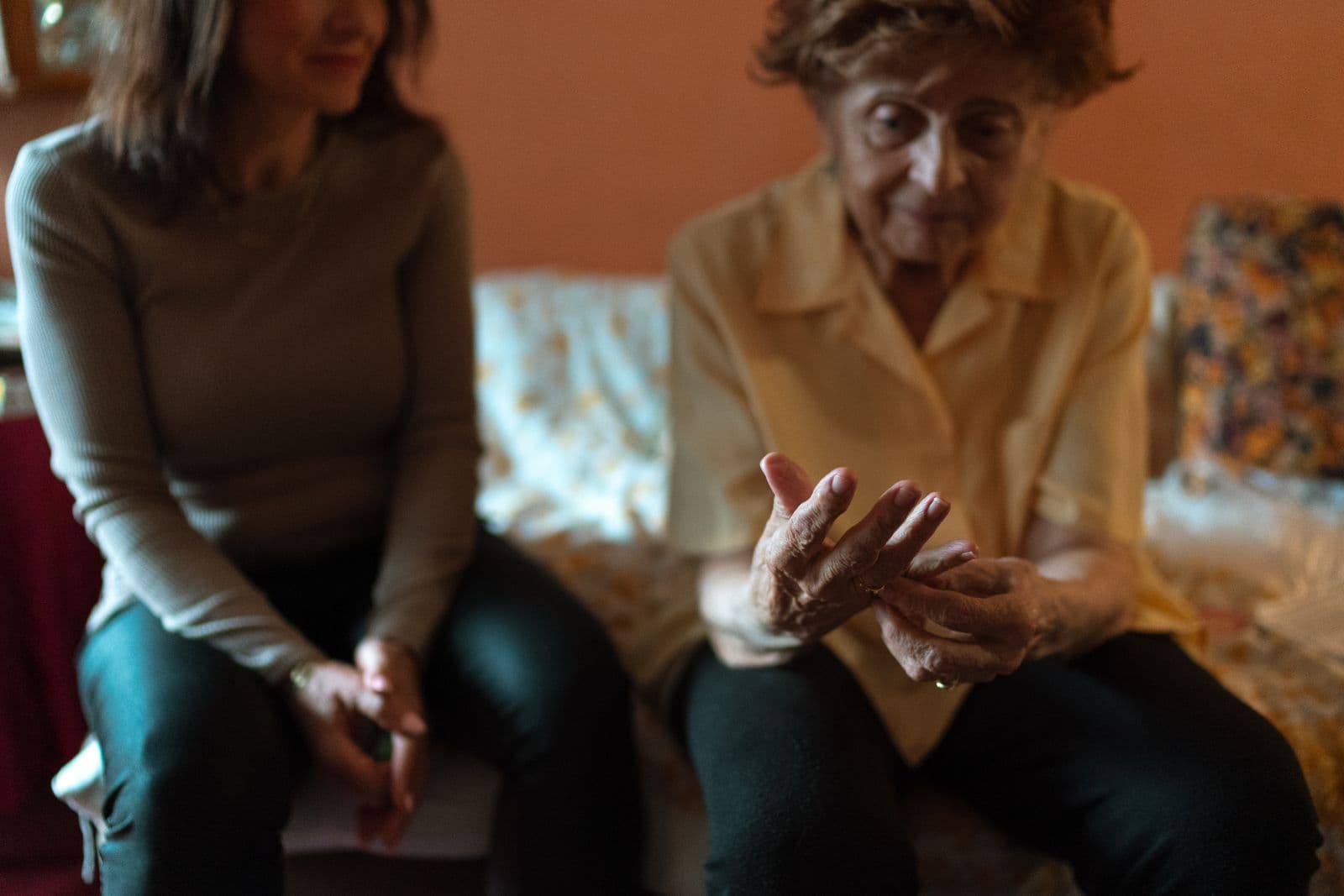
- Companionship that follows the person’s lead and interests
- Support for family carers through consistency and honest updates
Arranging support
How to arrange support
Getting started should feel straightforward. Share what is happening at home, and we will help you understand whether this kind of support is a sensible next step.
Tell us what home life looks like
A short message is enough — the routines that feel hard, what you are worried about, and what a calmer day would look like. You can enquire for yourself, a relative, or as a professional.
Talk through what might help
We listen first, then discuss the kind of visiting support that may fit, preferred times of day, and anything that matters for dignity and familiarity.
Agree a clear next step
If we can help, we outline how support could begin and what information we still need. If another pathway looks more suitable, we will say so plainly.
For families
What families should know
- A dementia diagnosis does not automatically decide the care package — needs assessment does.
- Sudden confusion can also be caused by infection or medication changes; seek clinical advice when something changes abruptly.
- Ask for a carer’s assessment if you are supporting someone at home.
Questions
Frequently asked questions
Do you treat dementia medically?
No. We provide home care support. Diagnosis, medicines, and specialist clinical treatment sit with the GP and relevant NHS teams.
How is this different from standard domiciliary care?
The tasks may look similar, but the approach is adapted — more time, clearer cues, and attention to distress, repetition, and orientation.
Should we also look at Alzheimer’s care?
Alzheimer’s disease is a common cause of dementia. If that is the specific diagnosis in your family, our Alzheimer’s care page explains the everyday focus in that context — and both pages can be relevant.
Talk to us
Let's talk about dementia support at home
Share what a typical day and night look like — including the moments that feel rushed or distressing. We will discuss support that protects dignity and keeps familiar routines.