
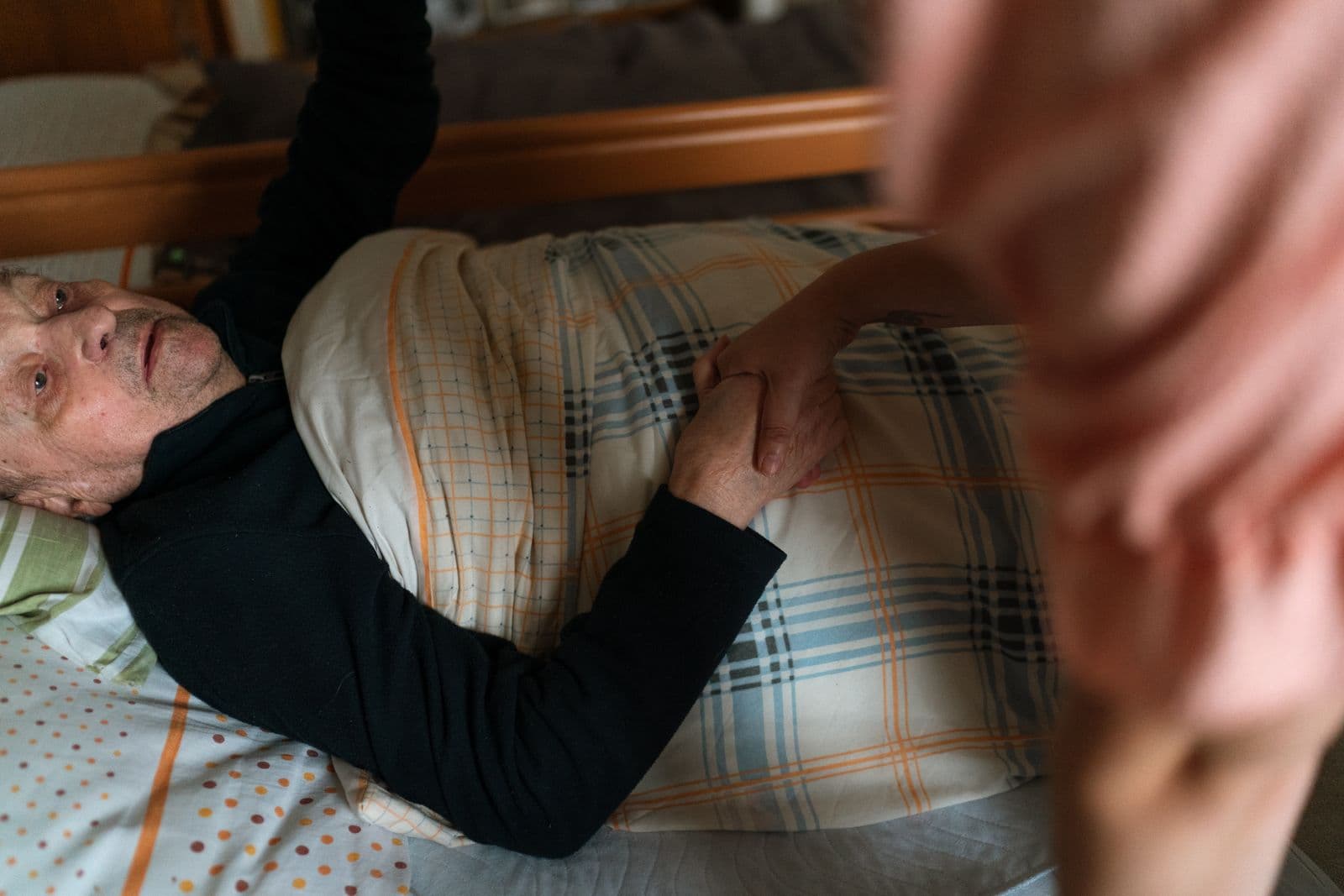
Home care
Alzheimer’s care centred on familiar life
Support for people living with Alzheimer’s — protecting routine, reducing distress, and helping families navigate changing days at home.
Understanding the service
Alzheimer’s care in the home context
Alzheimer’s disease is one of the most common causes of dementia. At home, families often notice memory loss, difficulty with planning, repeated questions, and growing unease when routines change.
This page sits alongside our dementia care pathway. The practical support is closely related; here we emphasise the everyday realities families associate with Alzheimer’s — memory, orientation, and keeping life recognisable — without claiming medical treatment.

Who it may help
When this page is useful
Families often arrive here when:
- Alzheimer’s has been diagnosed and home life is getting harder to manage
- Someone is coping in the morning but struggles later in the day
- Medication prompts and meal routines need reliable oversight
- Family want carers who understand repetition without impatience
What support can involve
Everyday support that may help
Support may include:
- Calm personal care that follows a predictable sequence
- Orientation cues — clocks, daylight, familiar objects — used gently
- Shared activities that match remaining abilities and interests
- Help with meals, drinks, and keeping the home uncluttered and safe
- Clear family updates so small changes are noticed early
Arranging support
How to arrange support
Getting started should feel straightforward. Share what is happening at home, and we will help you understand whether this kind of support is a sensible next step.
Tell us what home life looks like
A short message is enough — the routines that feel hard, what you are worried about, and what a calmer day would look like. You can enquire for yourself, a relative, or as a professional.
Talk through what might help
We listen first, then discuss the kind of visiting support that may fit, preferred times of day, and anything that matters for dignity and familiarity.
Agree a clear next step
If we can help, we outline how support could begin and what information we still need. If another pathway looks more suitable, we will say so plainly.
For families
What families should know
- Alzheimer’s Society and NHS services remain important for information, diagnosis follow-up, and carer advice.
- Home care supports daily living; it does not replace memory clinic or GP care.
- If you are unsure whether to read dementia or Alzheimer’s pages first, start with whichever matches the language your clinicians use — then explore both.
Questions
Frequently asked questions
Is Alzheimer’s care different from dementia care?
Alzheimer’s is a cause of dementia. Care at home often uses the same person-centred principles. We keep both pages so families can find the language that matches their situation, with cross-links between them.
Can someone with Alzheimer’s stay at home?
Many people do, especially with consistent support and a safe environment. Needs change over time, so plans should be reviewed rather than fixed forever.
Talk to us
Let's talk about Alzheimer's support at home
Tell us what is changing day to day, and what still feels familiar and comforting. We will talk through practical support that keeps life as steady as possible.